The nations and peoples of Europe are rich in traditions, historical experiences and cultures. It is these that make Europe so unique and interesting.
Current relevance
When you buy Parma ham in Europe, you can be sure that it really does come from the Italian region around the city of Parma. This is because it is a protected designation of origin.
Every year, two European regions showcase the diversity and richness of their historic, cultural and ethnic life. These Capitals of Culture usually attract hundreds of thousands of visitors.
National ethnic minorities are under special protection in the European Union, allowing them to preserve their languages and traditions – this applies to the Catalans in Spain just as much as to the Sorbs in Germany.
United in diversity
The countries and peoples of Europe are rich in traditions, historical experiences and cultures. It is these that make Europe so unique and interesting.
For a long time, there were fears that ever closer cooperation between European nations within the European Union would lead to an assimilation of national cultures; that ‘Brussels’ would not only harmonise technical standards but also social and cultural ones, creating a ‘standardised European’ in the process. But this was never the aim of European integration.
To make this clearer, United in diversity was selected as the EU’s slogan in 2000 during an EU-wide competition. Since 2004, it has been the official motto of the community of states. It aims to make clear that Europeans have come together to work for peace, values and prosperity, whilst at the same time preserving the diversity of their cultures, languages and traditions. This was also enshrined in Article 3(3) of the EU Treaty: The EU “shall respect its rich cultural and linguistic diversity, and shall ensure that Europe’s cultural heritage is safeguarded and enhanced.”
A shining example of linguistic diversity is the fact that all 24 official languages of the EU are used in debates and documents within the European Parliament. Citizens can submit requests to the European institutions in their own language and receive a reply in that language, too. Consequently, the cost of translation and interpreting work is very high. This is the price of diversity in practice, but it’s a price worth paying.
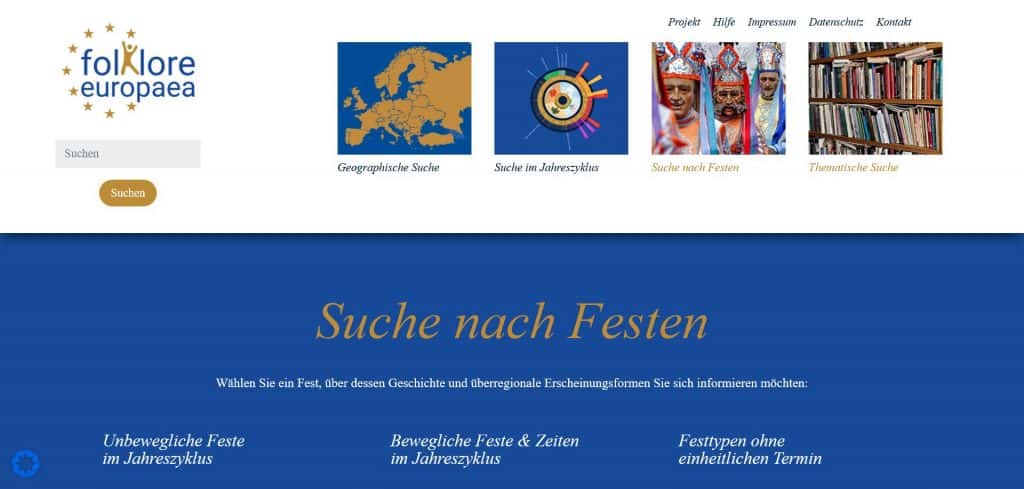
Would you like to learn about customs and festivals in Europe?
There, you can immerse yourself in Europe’s diversity, organised by country and season.
Embracing diversity
The shared motto ‘United in diversity’ is not merely a guiding principle for the institutions of the EU and its Member States. We, as citizens, are also called upon to live by this motto: everyone can take pride in the achievements of their own history and traditions, try to preserve their own language and dialects, and harbour patriotic feelings. But one thing should be clear: no ethnic group, no culture, no tradition is worth less than any other – they differ, but they are of equal value and deserve protection in their respective uniqueness. Nationalist glorification of one’s own nation or culture, or the denigration of other peoples as inferior lead to mistrust, hatred and wars. We Europeans had more than enough negative experiences of this kind during the 20th century and agree that this must never happen again. In our daily lives, we should therefore think about whether we are perpetuating prejudice against other nations when they are universally labelled as lazy, notorious car thieves or fundamentally corrupt, whilst claiming that only our own nation knows how to do things properly.
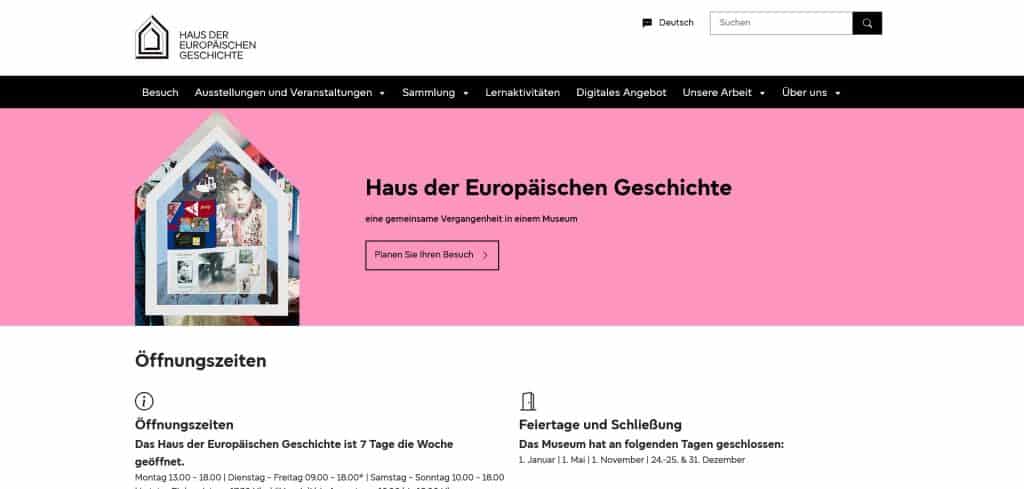
Visit the House of European History in Brussels, which showcases the diversity of everyday life in the EU Member States.
Protecting diversity – pluralism and tolerance as guiding principles of living together as a society
The idea of diversity within shared traditions, cultures and languages is linked to the idea of individual diversity within modern societies: each and every one of us is unique in our own right, and we are free to have individual preferences. No matter what country we come from, no matter our gender, age or skin colour, as long as we stay within the boundaries set by law and justice, we Europeans enjoy a high degree of freedom that allows us to live our lives based on our individual preferences. .
Political systems in which the recognition of and respect for different (individual) features, interests, opinions and goals are firmly established and protected by constitutional law are referred to as pluralistic. Together with the guiding principles of tolerance and non-discrimination towards people who are different and differing aspects of life, the idea of pluralism ensures peaceful coexistence in open, diverse societies. Embracing and legally enshrining pluralism and tolerance in the nations of Europe is an important lesson learned from fascist times and the Second World War, when it was life-threatening not to conform to the state-prescribed ideal of what a human being should be.
Diversity and political decision-making in Europe
Diversity is beautiful and enriching. Within the EU, however, it also presents a challenge when it comes to cross-border cooperation and joint political decision-making: diverse national histories, traditions and economic achievements give rise to a multitude of differing interests. How can we reconcile the very different social and economic interests of 27 Member States and their populations?
The answer lies in all parties accepting that their own interests are best protected when they respect the interests and unique features of others. This is a prerequisite for finding fair compromise. This applies at all political levels, starting with local authorities. There, too, a diversity of opinions and interests makes political decision-making difficult. At the level of the European Union, it is admittedly even more difficult due to the diversity of languages and the large number of participants in decision-making processes. This is often frustrating because it leads to overly complicated compromises or partial solutions. These often achieve only part of what would be necessary and appropriate. Politicians are then often accused of being incompetent; yet, within the EU, this is how lasting peaceful and fair coexistence is ensured.